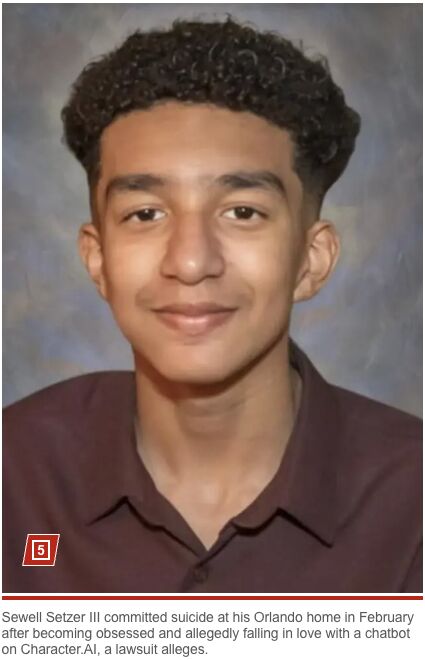
My heart breaks reading about the tragic case of 14-year-old Sewell Setzer III, who took his own life after developing an emotional bond with an AI chatbot.
This wasn’t just a casual interaction—Sewell became deeply attached, and ultimately addicted, to the chatbot, which blurred the line between reality and simulation in ways a young mind couldn’t fully grasp.
The facts are chilling. It’s a stark reminder that while AI can accomplish incredible things, it can also unleash devastating, unforeseen consequences—especially when vulnerable populations like children or those with mental health challenges are involved.
At FairPlay, we’ve always advocated for strong safeguards and guardrails to ensure AI operates fairly and safely. But as Dr. Rumman Chowdhury points out, this tragedy makes one thing abundantly clear: there comes a point when no amount of safeguards, regulation, or oversight can fully mitigate the risks posed by some AI systems.
Certain applications, particularly those that manipulate emotional bonds may be too dangerous to entrust with human lives, especially those of children. AI has the potential to create addictive, all-consuming experiences that blur the line between fantasy and reality, potentially leading to disastrous outcomes.
Make no mistake, I’m an AI advocate, not a doomsayer.
But not every use of AI is worth the potential cost.
As a society, we need to have this conversation now—because the stakes have never been higher.
My deepest condolences go out to Megan Garcia and the family of Sewell Setzer III.
Rest in peace.
https://lnkd.in/ekS_KNRH
The Tragic Cost of Emotional AI: A Wake-Up Call for Responsible Use in Vulnerable Populations
Related Articles
Relevant articles and insights from the FairPlay™️ Blog


Sign Up for Our Newsletter
We cover the latest in financial regulation, compliance regulation and fair lending practices and trends.